
Leading Beyond the Ladder

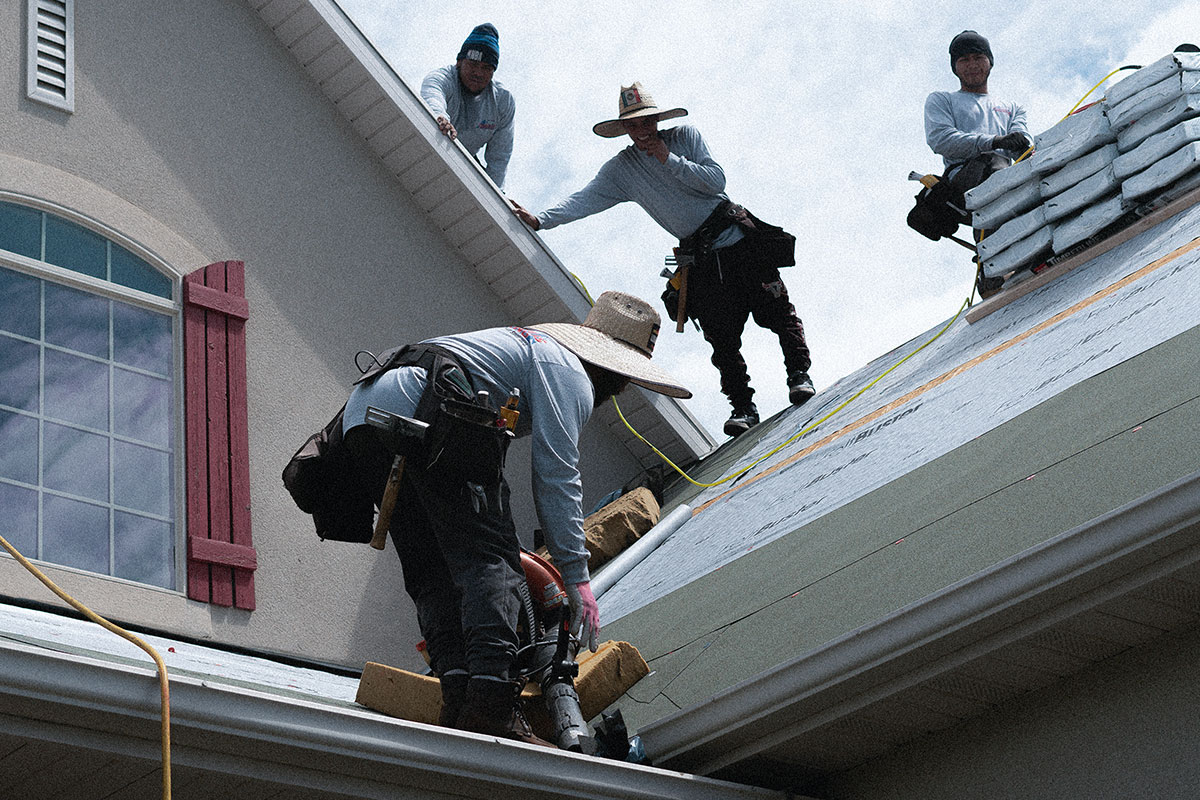
Every roofing company talks about leadership, but in 2026, leadership takes on a new meaning. The industry’s biggest challenge isn’t just finding workers, but keeping them engaged, connected, and proud to wear the company logo.
For many roofers, growth has accelerated faster than culture has. The rise of private equity, automation, and data-driven management has improved efficiency, but it has also exposed a critical truth: people still determine performance. A CRM can track projects, but only leadership can sustain passion.
The Shift from Command to Connection
Old-school management prized control: more checklists, more pressure, more hours. Today’s high-performing roofing leaders are trading that in for connection. They understand that clarity beats control and that consistency beats charisma.
Weekly team huddles, transparent dashboards, and quick “pulse checks” have replaced the intimidating annual review. Leaders now use data to coach, not to criticize.
The best managers measure numbers and energy. Is the team engaged? Are project managers overwhelmed? Do your operations currently support the sales reps? These questions don’t just keep morale high. They also prevent turnover, burnout, and miscommunication before they hit production schedules.
Emotional Intelligence Is the New Efficiency
Roofing is physical work, but leadership is emotional labor. The most effective roofers are learning to lead with empathy. They don’t confuse kindness with weakness because it’s not. They know that recognition, fairness, and listening drive results just as much as pay.
A growing number of roofing executives are investing in leadership training that focuses on soft skills like conflict resolution, communication under pressure, and effective feedback delivery. Those leaders report higher crew satisfaction and fewer job site conflicts.
When office managers and production leads understand how to defuse tension and model respect, crews mirror that behavior with homeowners.
Scaling Culture in a Consolidating Industry
As private equity reshapes the roofing landscape, many business owners are wrestling with the same question: How do you grow without losing your culture?
Top-performing groups are finding balance through local autonomy and cultural integration. They retain long-standing managers, keep regional decision-making in place, and incorporate legacy values into the onboarding process for every new hire and acquisition.
Culture is easiest to scale when it’s documented and practiced, not just remembered. That means writing down company values, training to them, and reinforcing them in performance reviews. When every team member understands what “doing things the right way” means in your company, you create alignment across every portion of the business.
Training for the Next Generation
Roofing’s incoming workforce wants their work to provide them with a purpose, not just a paycheck. They expect transparency, communication, and growth paths that feel attainable.
That’s why forward-thinking contractors are blending mentorship with measurable advancement. They’re pairing younger hires with experienced mentors while giving veterans leadership stipends to teach. They’re tracking training in a CRM, so progress is visible and promotions are earned through learning and development.
Systems build culture. Roofing companies that train regularly, promote from within, and tie skill development to pay not only retain more workers but also deliver a better homeowner experience.
What Homeowners See in Great Cultures
Homeowners notice when a company has its act together. They see it in punctual arrivals, respectful communication, and how smoothly the handoffs go between sales, office, and crew. That sense of professionalism comes from internal culture.
Roofing companies with clear communication channels and mutual respect behind the scenes are the ones that consistently get five-star reviews. Every email, every text, and every handshake reflects your culture.
Conclusion
As AI, automation, and private equity redefine roofing operations, human leadership remains the industry’s most irreplaceable skill. The next generation of roofing leaders will succeed because they lead with empathy, structure, and trust. In a trade built on strong materials, culture is the one that endures.