
The Guild Collective: Crafting Clean, Consistent, and Connected Roofing

When you first pull up to The Guild Collective’s headquarters in San Antonio, it doesn’t look like a roofing company. There’s no office park, and no rows of prefabricated cubicles. Instead, you see a white-trimmed house, warm signage, and a warehouse tucked behind the trees. It feels more like you’re walking into someone’s home than a job site command center.
And that’s exactly the point.
“We’re in the people business, ” says Chad Yarbrough, co-owner of The Guild Collective. “We just happen to do roofs.”
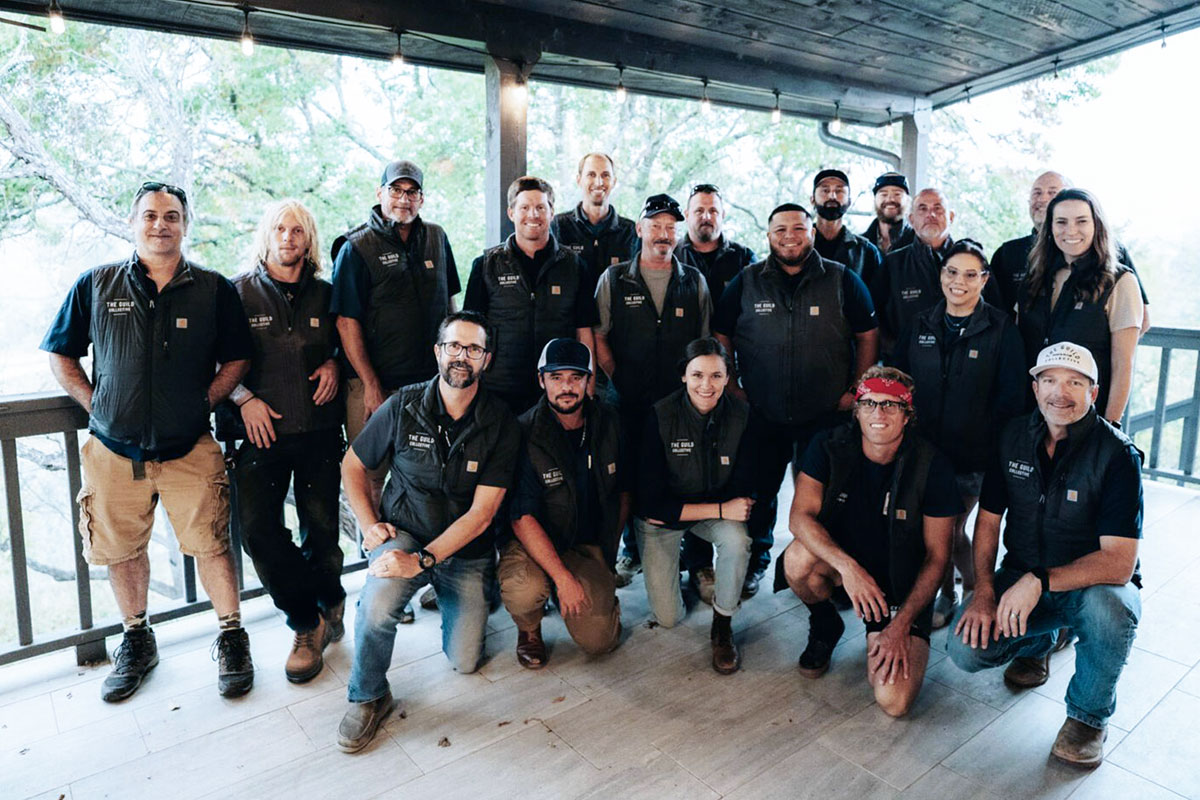
That’s how the four partners of The Guild Collective describe it. Each comes from a different trade (gutters, roofing, solar lighting, and ventilation), and together they’ve built something rare: a partnership that works. Five years strong and still sharpening, their secret isn’t just shared profit. It’s shared process.
Production as a Promise
At The Guild Collective, production is a promise. Every detail, from a magnet sweep to a homeowner text, is done with intention. Cleanliness, communication, and visible care are competitive advantages.
When a Guild crew shows up, they bring structure by following a process so dialed in that it runs like a symphony.
- Morning: Arrive and align. Crews stage materials, check safety, and document everything before pulling a single nail. The homeowner gets a message saying, “Our crew has arrived and setup has begun.”
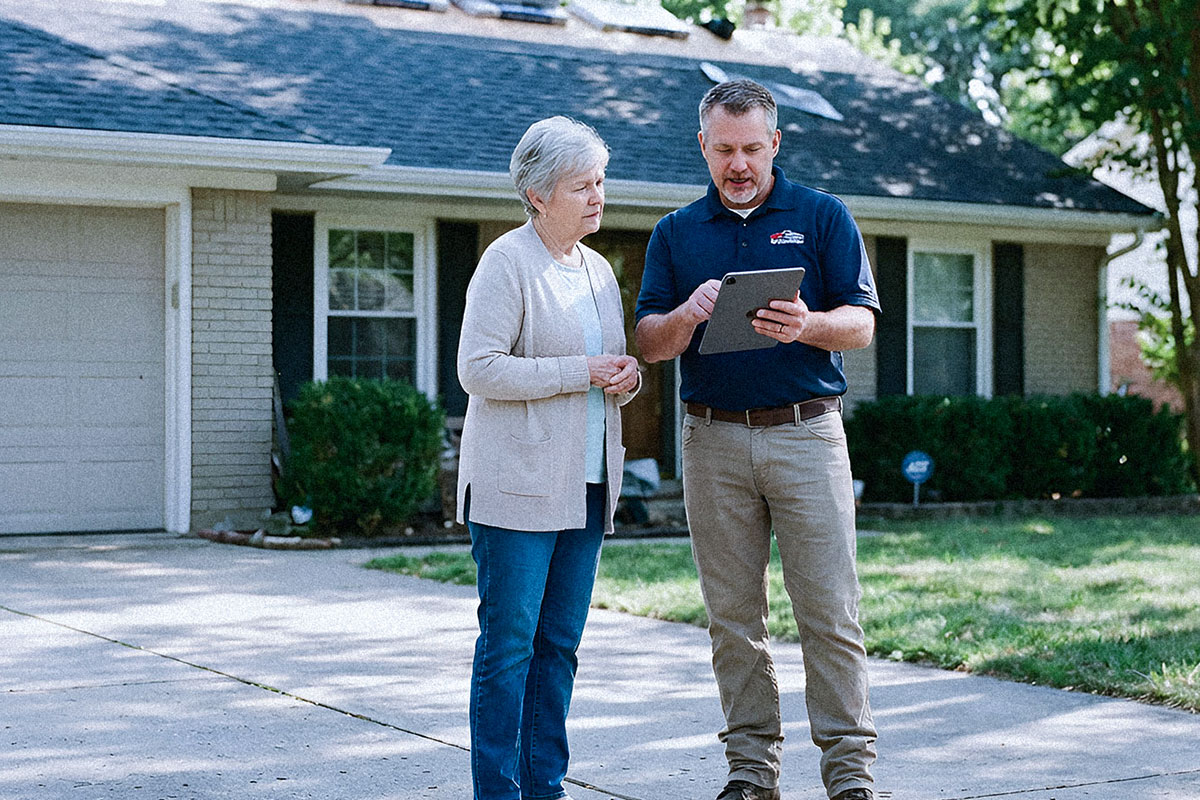
- Midday: Inspect and inform. The project manager walks the site, checks lines and pace, and sends another update: “We’re on schedule and halfway done.” Every image is logged in JobNimbus and tagged in CompanyCam.
- Evening: Finish and verify. Cleanup starts before the last shingle lands. Magnets sweep the yard. The PM sends photos of the finished work with a message that reads: “All wrapped up. Thank you for trusting us!”
- Next Morning: Close and communicate. Within 24 hours, the homeowner receives a digital report with photos, warranty links, and a thank-you note from their PM. Accounting gets an automatic trigger to create and send an invoice.
For The Guild, that consistency is their craftsmanship. It’s how they make production feel personal.
Details That Define Them
Guild’s standards live in the details as small habits that create immense trust.
In the warehouse, there’s the Yellow Box Rule: every emergency supply is kept in yellow bins, and if it’s yellow, it stays. The visual rule has saved countless hours of chaos.
Then there are their Blueprint Work Orders, gutter diagrams so precise they look like art. The expectation is simple: if a new hire can’t build from the drawing, it’s not ready to print.
They couple that simplicity with visibility. The Guild’s mantra is “Photos or it didn’t happen.” Every stage of every project is documented in CompanyCam, creating an archive of accountability for the crew and peace of mind for the homeowner.
And then there’s the culture itself. Most of Guild’s team members started as tradespeople and grew into leadership. Two of their last hires were former customers who walked into the shop and said, “Something feels different here.”
A House That Builds Culture
Guild literally works out of a home. The partners bought a house instead of commercial real estate, adding a warehouse out back. The layout is symbolic with a living space beside a workspace, reminding everyone that business and relationships are intertwined.
Inside, you might hear laughter in one room, and a sales call in another. That community fosters a positive work environment and a positive customer experience.
They call themselves The Guild Collective for a reason. A guild is a group of craftsmen bound by skill, not ego. And a collective means no one stands alone.
The Art of Production
Ask anyone at Guild what success looks like, and they’ll tell you: boring consistency. The same magnet sweep. The same after-the-job photo angles. The same friendly text when the job is done.
Their systems make the boring beautiful. They’ve proven that reliability is the most powerful form of branding a roofer can have. When you get it right, your work speaks for itself: quietly, cleanly, and confidently.
Roof Cleanup Checklist
Homeowners judge your work by what they see when the crew leaves. Use this checklist to train crews, standardize expectations in your CRM, and audit every job so you reduce callbacks, prevent injuries and claims, and turn finished installs into 5-star reviews and referrals.
Before the Job
- Place a dumpster or trailer within reach of the tear-off zone.
- Lay tarps along siding, shrubs, and walkways.
- Protect A/C units, grills, and flower beds with plywood or mesh barriers.
- Verify magnet rollers, brooms, and blowers are on-site.
- Assign one crew member to be the cleanliness lead and note their name in a CRM.
- Add cleanup reminders and check-ins to the daily job plan so expectations are clear from the start.
During the Job
- Continuously clear tear-off debris and shingle wrappers.
- Sweep or magnet-roll every two hours around driveways and sidewalks.
- Keep all tools, nails, and trash off the homeowner’s property.
- Empty debris tarps before they overflow or block pathways.
- Confirm that ladder guards and walkboards are clear of loose materials.
- Take progress photos and notes during the day to document cleanliness and prevent surprises later.
After the Job
- Magnet roll the entire perimeter, especially around the driveway, lawn edges, patio, and sidewalk.
- Blow off the roof, gutters, and decks to remove all granules and nails.
- Check downspouts and A/C drains for trapped debris.
- Inspect landscaping and fences for damage, and document any findings with photos.
- Verify that all materials and equipment are loaded out.
- Take 3–5 final cleanup photos of the front, back, driveway, and yard and attach them to the job record or customer folder.
- Send a “cleanup complete” message with the final photos to the homeowner.
Follow-Up on the Job
- Do a walkthrough with the homeowner if they’re present.
- Ask, “Did we leave everything the way you expected?”
- Record their feedback and make any necessary corrections.
- Email or text before-and-after photos, warranty details, and a review link within 24 hours of job completion.
- Track feedback trends to identify areas where your cleanup standards can continue to improve.