Communication
Homeowners judge your communication by your follow-through: clear expectations before tear-off, proactive updates mid-job, and zero surprises when it’s done. For roofers, communication is the bridge between professionalism and chaos.
In 2026, leading roofers operate their communication with defined cadences, automated reminders, transparent job tracking, and fast, two-way updates that keep crews, customers, and carriers aligned.
What the data says
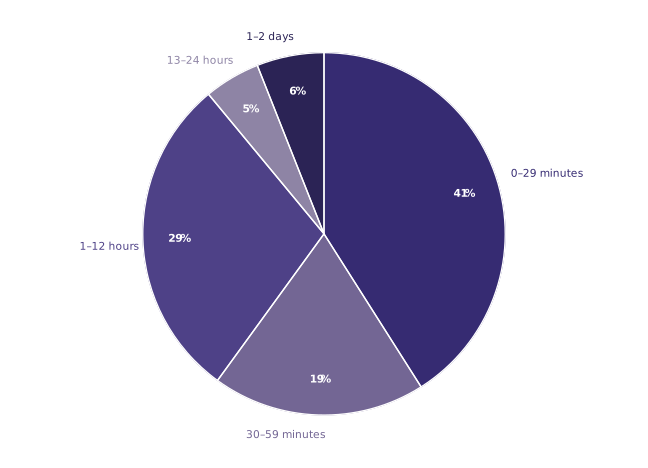
- Speed to lead: 41% of roofers respond to new leads within 30 minutes, another 29% within 12 hours, but 6% still wait a full day or more.
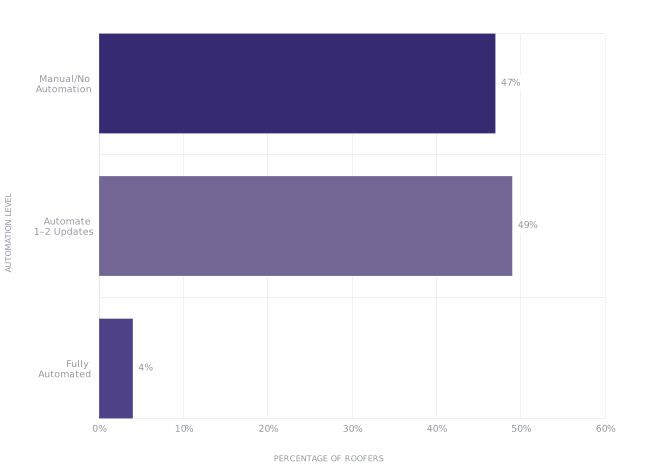
- Automation gap: 50% of roofers automate just 1–2 messages, but fewer than 5% fully automate customer updates.
- Visibility lapse: Nearly half of roofing companies still store communications in personal inboxes or phones, losing records when staff change.
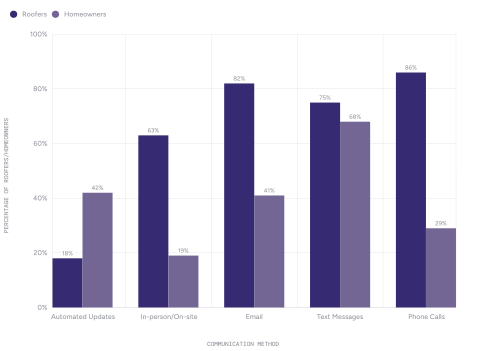
- Homeowner disconnect: 68% of homeowners prefer text updates, but calling is still the communication method of choice for most roofers. “Poor communication” remains a top three complaint in reviews.
The best roofers define who says what and when, centralize every message, and automate predictable updates so their teams can focus on the human moments that matter most. When communication is consistent, transparent, and responsive, homeowners become loyal evangelists who bring referrals.
Lead Response Speed
How long does it take your company to reach out to a lead?
Takeaway
Sixty percent of roofers respond to leads within an hour, while 6% take a day or more. In an age of instant replies, every extra hour costs credibility and conversions. Speed remains the simplest and most underused competitive edge in roofing.
How to Nail It
- Commit to the 1-hour rule and make it a visible KPI for your team.
- Automate an immediate text or email acknowledgment saying, “Got it. Here’s what happens next.”
- Track and share average response time weekly. Improvement compounds quickly.
Preferred Follow-up Method
How are you following up with your customers? and for homeowners,
what is your preferred method of communication with your roofer?
Takeaway
Homeowners want more choices and clarity, not just more messages. While most roofers rely on calls, homeowners expect flexible communication that fits their lifestyle. They want to receive updates on their terms.
How to Nail It
- Ask each homeowner their preferred communication method at kickoff and document it in your CRM.
- Use automation to personalize updates by channel (text, email, or call).
- Create a clear cadence for follow-ups so customers always know when to expect the next touchpoint.
- Reserve live calls for critical updates, approvals, or emotionally charged conversations.
Communication Automation
How automated is communication to your customers?
Takeaway
Roofers are only halfway automated. Nearly half of roofing companies rely on manual updates. Full automation is rare (4%), but even basic automations can double your consistency overnight.
How to Nail It
- Automate essentials like confirmations, reminders, and payment follow-ups.
- Centralize all communication (including texts, emails, and call notes) inside one CRM thread.
- Define ownership around who sends what, when, and how.
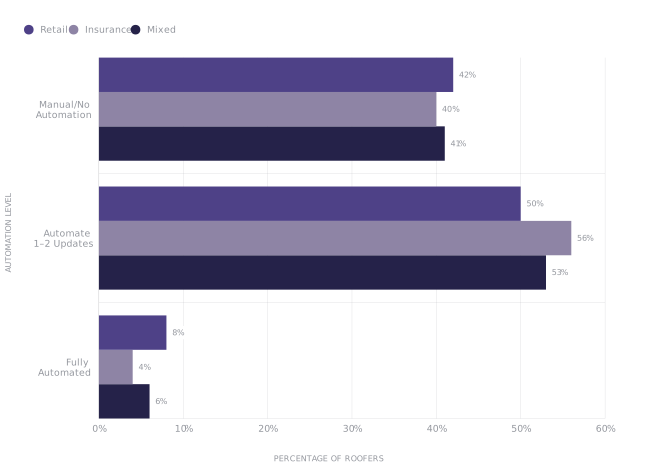
Automation Usage by Company Type
How automated is communication to your customers?
Takeaway
Nearly everyone is dabbling in automation, but almost no one is maximizing it. Roughly half automate only 1–2 updates, while around 40% still rely mostly on manual communication. Very few have fully automated systems in place (just 4–8%).
How to Nail It
- Move beyond the bare minimum. If you’re only automating 1–2 updates, expand to include appointment confirmations, material delivery notices, and completion alerts.
- Audit your communication gaps. Map out your customer journey, identify where silence currently happens, and automate those touchpoints.
- Keep personalization intact. Thoughtful automation paired with human follow-up creates a best-of-both-worlds experience.
Communication Cadence
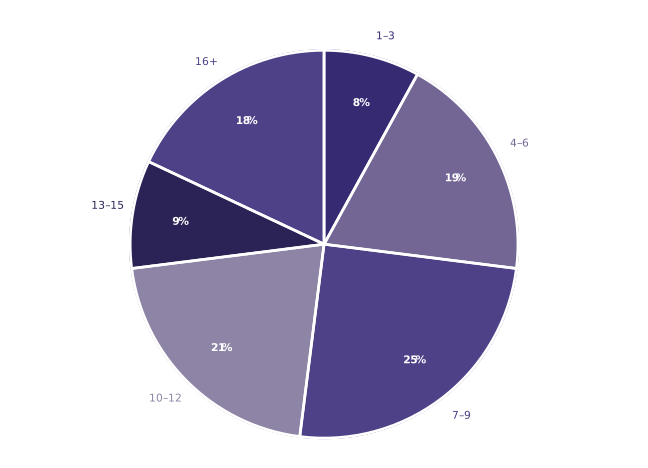
How many times do you and your team reach out to a customer, from lead to end of job?
Takeaway
Nearly all roofers (92%) reach out to their customers at least three times, but most roofers communicate inconsistently. Only one in four (25%) hit the 7–9 meaningful touchpoints that keep homeowners informed without overwhelming them. Consistency, not volume, drives trust and repeat business.
How to Nail It
- Map a 7–9-point communication cadence: lead, estimate, schedule, delivery, mid-job, completion, and follow-up.
- Automate predictable updates but personalize milestone and completion notes.
- Always end with gratitude. Send a thank-you or review request within 48 hours.
- Track open and response rates to refine timing.
Cupcake’s Recipe for Customer Trust
Homeowner Perspective:
Communication Edition
Homeowners don’t expect perfection, but they do expect you to communicate. Sixty-three percent of homeowners say poor communication is the most stressful part of a roofing project, outranking cost or cleanup. The difference between a three-star and five-star experience is clarity.
To deliver that clarity, set expectations early and confirm them in writing. Send milestone updates automatically around arrival, inspection, and cleanup. If delays happen, explain them immediately. Your honesty is much more important than glossing over the incident. Keep every message in one CRM thread so your team stays aligned and homeowners never feel left in the dark. Close with confidence by confirming completion, sharing warranty details, and thanking them for their trust.
How Communication Drives Ratings
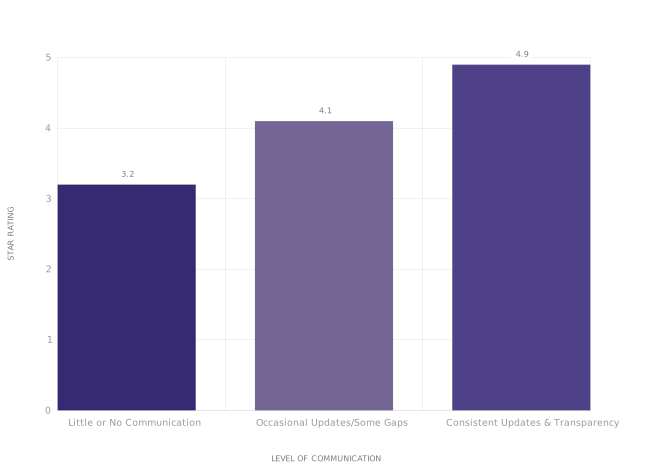
What is your company's average star rating?
Takeaway
The best communication wins the best reviews. Roofers who provide consistent updates and transparency average 4.9-star ratings. Those with communication gaps have their ratings drop to 4.1, and those who rarely communicate fall to 3.2 stars. Clear, proactive updates prevent frustration and create five-star experiences.
How to Nail It
- Build a communication checklist of contact points for every job phase: estimate, schedule, install, cleanup, and follow-up.
- Acknowledge even when there’s no news. To a homeowner, silence signals neglect.
- Train teams to narrate progress and not react to questions. Proactive communication earns loyalty.
Insurance Claim Frustrations
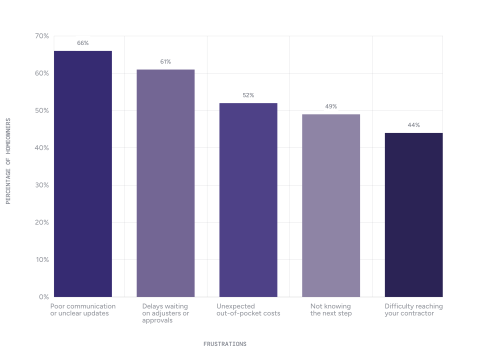
What are your biggest frustrations during insurance roofing jobs?
Takeaway
Homeowners with roofing insurance claims lose trust over poor communication. Nearly two-thirds of homeowners say unclear updates frustrate them more than delays or costs. Even “no news” beats no message. Contractors who keep the homeowner up to date through the wait preserve trust.
How to Nail It
- Narrate the process: outline each claim phase upfront so homeowners know what’s next.
- Automate checkpoints for when the inspection is set, supplement filed, and carrier approved.
- Translate jargon: “Your claim is under review” beats “Awaiting carrier processing.”
- When applicable, send a “no change” update every few days.
- Rebuild confidence after approval. Be sure to confirm materials, schedule, and clarify next steps right away.
AI Perspective:
Communication Edition
AI amplifies consistency, which makes it a great tool for roofing companies to eliminate communication gaps. When used intentionally, AI ensures every homeowner gets the right message at the right time, enabling teams to stay focused on relationships instead of repetitive updates.
AI-Powered Homeowner Updates
In an industry where “just checking in” calls can flood the phone lines, automated milestone updates are changing the game. AI tools now generate texts and emails straight from your CRM to say, “Material drop tomorrow,” “Crew arriving at 8 AM,” or “Final inspection passed.”
Roofing contractors using automated updates report up to 30% fewer inbound status calls and faster payment cycles, simply because homeowners feel informed every step of the way. Innovative companies link their CRM stages to automated templates and review the tone quarterly to keep messages human and helpful.
Smart Call Summaries & Follow-Ups
Every promise made over the phone should be documented in the job file. AI transcription now makes that effortless. Recorded calls are automatically transcribed, summarized, and turned into action items within your CRM. These recorded calls can help reduce dropped handoffs between sales and production by 25–40%. Many teams review these summaries in their morning huddles to confirm next steps and ensure that nothing slips through the cracks.
Multilingual Crew Communication
Miscommunication can cost time, safety, and quality. AI translation tools are bridging that gap, converting English-to-Spanish voice notes in real time to ensure clear understanding between employees in the field and in the office.
Roofers are using these AI language tools to translate crew updates, store them in a CRM for verification, and confirm accuracy before passing updates along to homeowners. As a result, teams are experiencing fewer delays, fewer misunderstandings, and a stronger, safer crew.
Visualize Job Progress
Photos have always told the story of a job well done, but AI makes them easier to manage. Photo tagging tools now organize, label, and timestamp images automatically, changing messy photo dumps into structured job logs.
Project managers save hours per project, and homeowners get professional progress updates without waiting for manual uploads. Sharing select visuals through a CRM helps boost transparency and customer confidence while proving the quality of your work.
The Bottom Line
AI in communication is about helping you communicate better. It automates reassurance, speeds updates, and bridges the space between crews and customers. While every missed update loses trust, every clear one earns it.
The roof may be your product, but communication controls your reputation. With AI, you can be sure that no message slips through the cracks.